
Therapy for
Autistic and AuDHD Women
It’s okayto stop disappearing to survive
I help late-identified women on the spectrum slow down, untangle masking, trauma, and self-doubt, and reclaim the parts of yourself you had to abandon to feel safe.
THERAPY for AUTISTIC and AuDHD WOMEN
I work with clients throughout Wisconsin, Florida, and Arizona. My home office is located within 10 miles of Cedarburg, Mequon, Grafton, Jackson, Port Washington, and West Bend.
Why do I feel
constantly feel overwhelmed?
You’ve probably spent years being the capable one. The thoughtful one. The self-aware one. The one who keeps going, reads the room, adapts quickly, and tries very hard not to be too much or get caught off guard.
And now that you’re realizing you might be autistic, everything is starting to make more sense — and feel more complicated and confusing. Maybe you’re replaying your whole life through a different lens. Maybe you’re grieving how isolating things have been without anyone naming why. Maybe you’re noticing how much energy it’s taken to seem “fine,” “easy,” “successful,” or “normal.” Maybe your kids are on the spectrum, and you worry how you’ll be enough for them.
As a trauma therapist for Autistic and AuDHD Women, I help clients understand the patterns that formed around survival for their neurotype. How demand avoidance, rejection sensitivity, hyperfocus, acute sensory overwhelm, and different executive functioning and cognitive processing sit beneath layers of relational trauma. Trauma you internalized, that you experience in your relationships, and constantly navigate in systems that weren’t built to include you.
Many of my clients identify with feeling like a duck on a pond. You look like you’re moving around with grace, but under the surface, your legs are frantically trying to get you somewhere.
You may be asking yourself:
- Why can’t I catch my energy up?
- Why do I shut down or short-circuit when I really need to hold it together?
- Why do social relationships leave me so confused, drained, overwhelmed, and battling shame?
- Why do jobs where I’m not in charge feel so overwhelming and stifling at the same time?
- Why do I feel like I’ve been in survival mode most of my life and can’t seem to feel more stable without some kind of external structure or relationship?
- Why can’t people understand how much tension I experience when they change my space or disrupt my environment?
- Why do I keep losing myself trying to make things work, and then realize the person I tried so hard for betrayed me?
- Why is sexual intimacy and connection a source of tension or trauma in my romantic relationships?
If this feels similar to where you are, you’re likely seeing, maybe for the first time, the real cost of surviving by adapting to everyone else — and leaving yourself behind in the process.
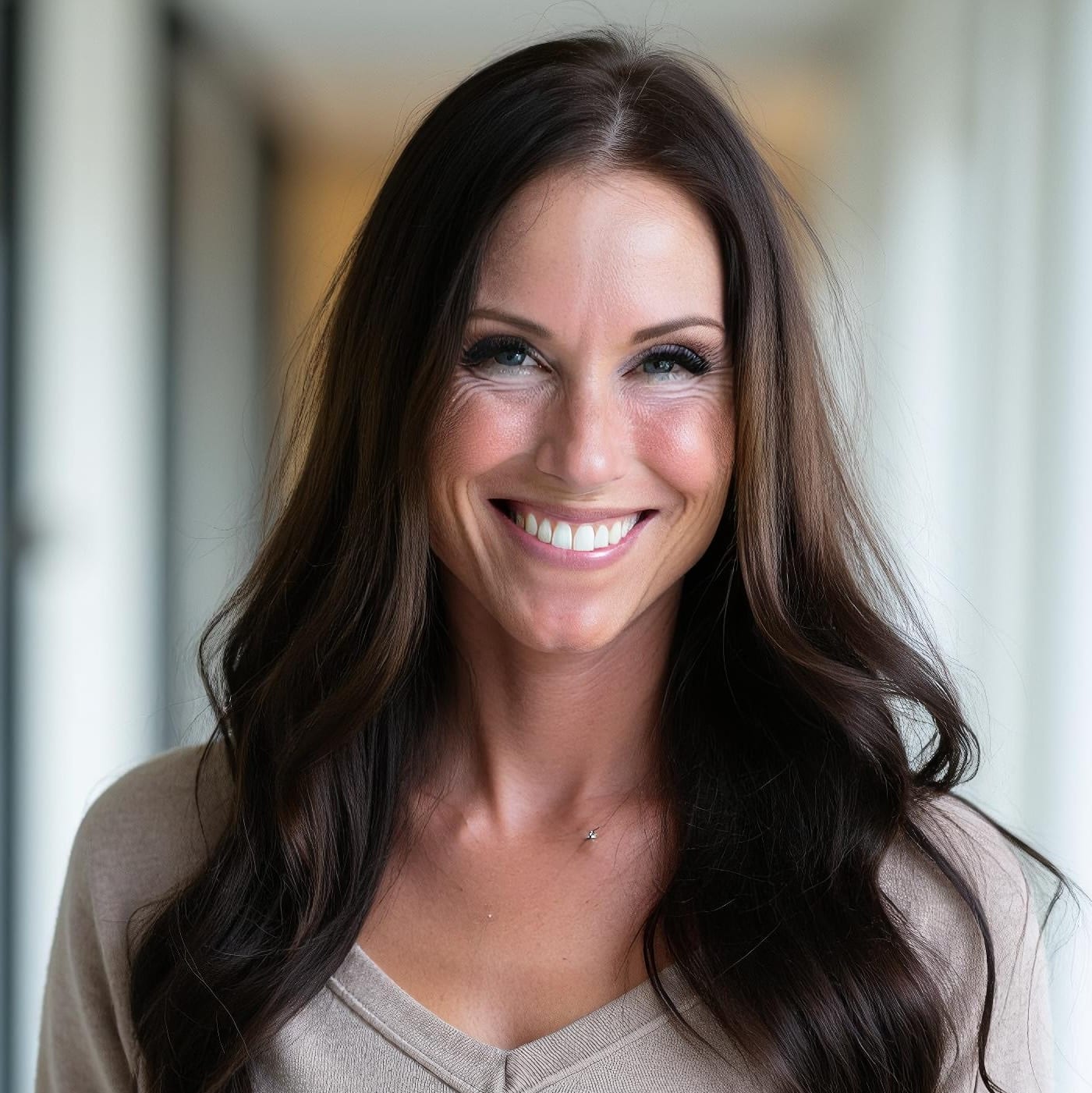
Sarayu Meraki, MS, LPC
LICENSED COUNSELOR
Autistic and AuDHD TRAUMA THERAPIST
I’m just starting to create social media content, but if you’d like to connect and learn more, sign up for my newsletter and future updates here!
Your whole life has been a cycle of trying harder
But decades of pressure, overfunctioning, and self-doubt are taking a toll. Part of you may feel relieved to have language to name things now. And part of you may feel completely overwhelmed and unstable.
Because once you start to identify as autistic, you realize you can’t, or don’t want to, return to life the way it’s been.
“What does being autistic mean? What do my autistic or ADHD traits look like? What is trauma, what is masking, what is burnout, and what is actually me? You may be researching like a fiend, searching for information, accommodations, scripts, boundaries, nervous system tools, communication strategies, and ways to make life feel less like you’re failing.
Those things can help. But often, they don’t touch the deeper ache.
Because the pressure is not just coming from life in this moment. It’s coming from a lifetime of self-monitoring and misattunement. From trying to get relationships right. From learning to override confusion, discomfort, sensory strain, and unmet needs so you could be in relationships, stay employed, and raise a family.
You may worry:
If I don’t figure this out, will I ever be able to live the life I want?
If I stop masking, will my relationships struggle even more?
If I honor my limits, will I still be able to survive in a world that’s so competitive and outcome-focused?
If I let myself need what I need, will I constantly be reinforcing my boundaries and still feel exhausted?
This is why therapy for Autistic and AuDHD women matters so much: the issue is not simply about stress or not doing enough. It is the long-term cost of surviving through adaptation and self-abandonment.
Even now, you may still be trying to do autism “correctly.” Figure it out perfectly. Heal efficiently. Be self-aware in the right way. Explain yourself well enough that your pain finally makes sense to someone.
No wonder you’re exhausted.
It’s not about fixing you
What often gets missed for late-identified autistic women is this:
The suffering is not just coming from autism. It’s coming from the chronic strain of not understanding yourself, mistrusting yourself, and adapting around yourself — for years. Not just during a hard time, not just when work gets hectic, the kids are little, or life is transitioning. The reality is, you’ve probably been in autistic burnout for decades of your life! That’s why insight alone often doesn’t bring relief. Because this isn’t just an information problem. It’s a relationship-to-self problem.
You may know, intellectually, that you’re allowed to have needs. You may know you’re burned out. You may know inauthenticity has cost you. But actually living from that truth can feel disorienting, vulnerable, and even dangerous.
Therapy with me is not about pathologizing you or handing you another mask by building more skills or structure. It’s about helping you understand the patterns that formed around survival — the pressure, performing, self-doubt, hypervigilance, and self-erasure in personal and professional relationships — so you can begin to relate to yourself with more clarity, compassion, and trust. Not just: “How do I cope better?” But:
What would it mean to build a life around who I actually am? A life that respects the capacity and gifts I have?
How therapy can help
You do not need to have this all figured out before coming to therapy. You do not need a perfectly clear autistic and human identity. You do not need to know which parts are trauma and which parts are neurodivergence. You do not need to be in total collapse to deserve support.
You just need a place to begin.
I offer therapy for Autistic and AuDHD Women who are trying to make sense of themselves with more honesty and less shame. You are grieving. You are burned out. You may be angry, relieved, confused, tender, and deeply tired of trying to force a masked version of yourself into a life and relationships that don’t fit.
Together, we can slow things down. We’ll start to get curious about the patterns beneath the symptoms. We’ll explore the cost of masking and the role trauma played in shaping how you relate to yourself and others. We’ll untangle the bind between belonging and self-abandonment. And we’ll build capacity for the kind of self-trust that makes real change possible.
My approach is relational, trauma-informed, and depth-oriented. If you’re looking for a trauma therapist for Autistic and AuDHD Women, I offer therapy grounded in NARM®, polyvagal theory, and psychodynamic depth therapy.
What I want for you is not just more coping.
I want you to have a life with more room in it.
More truth.
More choice.
More permission to be real.
More trust in your own inner experience.
More energy for a life that is actually yours.
Ready to start your journey?
Contact me today for your free connection call.
Take this quick quiz – What kind of therapy is right for me?
Not sure if I’m the right fit for you?
Serving Southeast Wisconsin and Beyond
Meraki Counseling is based in Cedarburg, WI. I offer in-person therapy for autistic and AuDHD women in Cedarburg, Grafton, Mequon, Port Washington, as well as virtual therapy for Milwaukee, Madison, and throughout Wisconsin.
Therapy for Autistic and AuDHD Women in Wisconsin
Sub-Specialties






Ready to start your journey?
Contact me today for your free connection call.